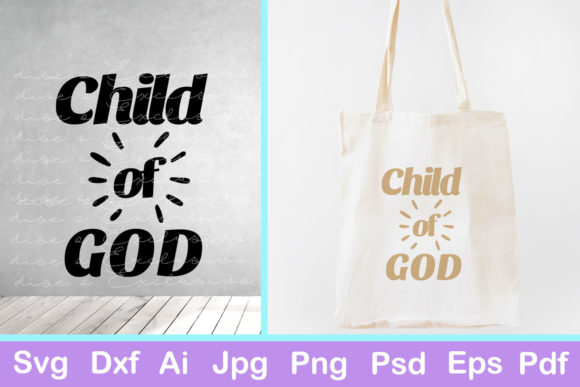
Child of God: Understanding Your Christian Identity
The phrase "child of God" carries weight far beyond a simple religious label. For Christians, it describes a fundamental shift in identity, belonging, and purpose. But what does it actually mean to live as a child of God in practical, everyday terms? And why should this matter to someone who is just exploring faith, running a business, raising a family, or creating art? The answer looks different depending on where you stand, yet the core truth remains the same: being a child of God changes how you see yourself and how you move through the world.
What Does "Child of God" Mean in a Christian Context?
At its simplest, being a child of God means that through faith in Jesus Christ, you are adopted into God’s family. This is not a metaphor. In Christian theology, it is a real spiritual status. The Bible describes this as receiving a spirit of adoption rather than a spirit of fear. You are no longer a stranger or an outsider. You belong. This identity carries implications for how you pray, how you handle failure, how you treat others, and how you face uncertainty. It is not about earning favor through good behavior. It is about receiving a new nature and a new inheritance as a gift.
For someone new to faith, this can feel overwhelming or even unbelievable. For someone who has walked with God for decades, it can become the anchor that holds everything together when life shakes. The practical meaning of being a child of God unfolds differently depending on your stage of life, your vocation, and your personal struggles.
Beginners Exploring Faith
If you are new to Christianity or simply curious, the idea of being a child of God may raise more questions than answers. Is this something you have to feel? What if you do not feel like a child of God? Beginners often prioritize clarity and authenticity. You want to know whether this identity is conditional or permanent, and whether it actually changes anything in daily life. For you, the most helpful starting point is understanding that this is a status based on trust, not emotional intensity. You do not have to have perfect faith. A child of God is still a child even when they stumble. If you are evaluating whether Christianity is worth pursuing, ask yourself whether you want a faith that offers belonging as a gift rather than a reward. That is the heart of this identity.
Professionals and Entrepreneurs
In the workplace, identity can get tangled with performance. Your value becomes tied to your output, your title, or your revenue. For professionals and business owners, being a child of God offers a counter-narrative. You are valuable before you produce anything. This does not mean you stop working hard or pursuing excellence. It means your sense of worth is no longer on the line with every deal, deadline, or critique. Practical examples include how you handle a failed project. Instead of spiraling into shame or panic, you can pause and remember that your identity is secure. You are still a child of God, still loved, still held. That internal groundedness can actually improve your decision-making and resilience over the long term. Entrepreneurs especially benefit from an identity that is not tied to market fluctuations.
Creators, Artists, and Hobbyists
Creative people often wrestle with comparison and validation. Am I good enough? Does my work matter? Being a child of God reframes creativity itself. You are made in the image of a Creator, and your creative drive is part of your design. Your work does not have to compete for your worth. You are free to create for joy, for exploration, or for service rather than applause. This can be liberating for writers, musicians, designers, and makers who feel pressure to perform. As a child of God, your art can flow from who you are rather than from a desperate need to prove something. It may also open you to creating work that reflects truth, beauty, and hope—not because you have to evangelize, but because that is what naturally comes from a heart at rest.
Educators and Mentors
If you teach or guide others, whether in a classroom, a church, or a coaching setting, the concept of being a child of God shapes how you see the people in your care. They are not just students, employees, or clients. They are also children of God, carrying inherent dignity and potential. This perspective can soften how you correct, how you encourage, and how you create space for growth. Educators who embrace this identity often find themselves more patient and more willing to invest in the long-term formation of others rather than just short-term results.
Evaluating Priorities Through a Child of God Lens
Different priorities come into focus when you view life through the reality of being a child of God. Here is how a few of those priorities shift across different life contexts.
Ease of Use vs. Depth of Growth
Some people want a faith that fits neatly into a busy schedule. Others want something that challenges them and transforms them over decades. Being a child of God offers both simplicity and depth. The simplicity is this: you are God's child, and nothing can change that. The depth is that this identity takes a lifetime to fully inhabit. Beginners may appreciate the straightforward entry point. Experienced believers may find that the same truth keeps revealing new layers of meaning as they face different seasons of life.
Cost vs. Value
There is no financial cost to becoming a child of God. But there is a cost in terms of surrender. You let go of the need to earn your place. For some, that feels like freedom. For others, it feels threatening because it requires trust. The value, however, is immeasurable. You gain a secure identity, a purpose beyond yourself, and a relationship that persists through failure, doubt, and hardship. For consumers and hobbyists accustomed to transactional relationships, this may feel unfamiliar. But many who have tested it find that it holds weight when other sources of identity crumble.
Flexibility and Reliability
Life is unpredictable. Being a child of God provides a flexible framework that adapts to different cultures, circumstances, and seasons. It is not a rigid system of rules. It is a relationship. At the same time, it offers reliability. God's character does not change, and the promise of belonging does not expire. For professionals who need stability in a volatile world, and for creators who need freedom within structure, this combination of flexibility and reliability is rare and valuable.
Practical Examples Across Different Lives
For a small business owner: When a key client leaves unexpectedly, you feel the sting of rejection. But as a child of God, you can separate your identity from your business performance. You process the loss, learn from it, and move forward without your confidence being destroyed. Over time, this resilience becomes a competitive advantage because you are willing to take risks that others avoid.
For a parent: Parenting can expose your deepest insecurities. When your child struggles, you may blame yourself. Remembering that you are first a child of God, not a project manager of your family, allows you to parent from peace rather than anxiety. You can offer grace because you have received it.
For a freelancer: The feast-or-famine cycle of freelance work can create chronic stress. Anchoring your identity in being a child of God helps you ride the waves without your sense of self crashing with every dry month. You manage your finances wisely, but you do not panic. You trust that your Father knows what you need.
For a consumer: In a culture that tells you to buy your way to happiness, being a child of God offers a different path. You are already an heir. You do not need to prove your status through possessions. This can simplify your spending and free you to enjoy what you have without craving what you do not.
Does This Identity Match Your Goals and Needs?
To decide whether embracing your identity as a child of God fits your current season, ask yourself a few honest questions. Do you feel pressure to earn your worth through achievement? Do you struggle with fear of failure or rejection? Do you long for a sense of belonging that does not depend on your performance? Do you want a foundation for your life that can survive loss, disappointment, and change?
If you answered yes to any of these, exploring what it means to be a child of God may be one of the most practical steps you can take. It is not a magic solution. It does not remove challenges. But it changes the ground you stand on. And when the ground is solid, you can build with confidence.
Whether you are a beginner asking big questions, a professional seeking stability, a creator wanting freedom, an educator shaping others, or a hobbyist looking for meaning, this identity speaks directly to the deepest human need: to know that you are loved and that you belong. That is not a small thing. It is everything.