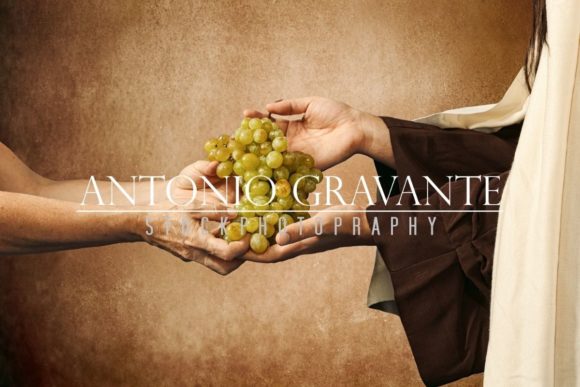
Jesus Gives Grapes to a Beggar
The image of Jesus giving grapes to a beggar carries a quiet but powerful message. It is not one of the grand miracles recorded in the Gospels, but it feels deeply human. A simple gesture of offering fruit to someone in need becomes a scene packed with meaning about dignity, generosity, and the way we see those around us. Whether you encounter this as a painting, a story, or a piece of devotional art, the moment captures something timeless. A giver who holds abundance meets a receiver who holds nothing but hope. And the grape itself is not random—it carries symbolic weight across cultures and traditions, from abundance and celebration to the wine of communion and joy.
What This Image Represents
At its core, Jesus giving grapes to a beggar is an act of personal, direct kindness. There is no sermon, no crowd, no dramatic healing. Just a quiet exchange. This is part of its appeal. It suggests that help does not always need to be large or public. A piece of fruit, a moment of attention, a gesture that says I see you—these can carry as much weight as any grand gesture.
In artistic and religious contexts, the grape often symbolizes blessing, fertility, and the blood of Christ in Eucharistic traditions. By offering grapes, the image connects physical nourishment with spiritual care. The beggar is not only receiving food but also being invited back into a community of value. This dual layer—practical help and restored dignity—is what makes the scene resonate across personal, creative, and even professional settings.
Who Might Be Drawn to This Concept
People from many walks of life find themselves reflecting on this kind of image. For some, it is a devotional prompt, a reminder of how faith calls them to treat others. For others, it is a creative spark—a symbol they might use in writing, design, or storytelling to represent generosity or unexpected grace. Bloggers and content creators looking for metaphors about giving without expectation find rich material here. Small business owners and entrepreneurs also see a lesson: value is not always about large transactions; sometimes it is about the small, consistent acts of care that build trust and community.
Educators and freelancers who work with people directly often return to this scene as a model for how to offer help without condescension. The beggar is not shamed or lectured. He is simply given something good. That kind of respect is rare and memorable.
Why the Scene Feels So Relevant Today
Modern life can feel transactional. We swipe, click, and move on. The idea of pausing to genuinely see someone and offer something meaningful—without expecting anything back—stands out. The image of Jesus giving grapes to a beggar challenges the hurry and efficiency that often govern our days. It nudges us to slow down and notice the person right in front of us.
For creators and marketers, this has a practical edge. Audiences are tired of content that pushes and sells without connection. A story or brand that embodies this kind of thoughtful generosity stands apart. It builds loyalty not through flashy campaigns but through consistent, genuine value. The same principle applies to educators: a student who feels genuinely seen and supported learns better. The grape, in this sense, is whatever small but meaningful resource you can offer.
In Personal Life
Think about the small offerings you can make to people around you. It might be time, attention, a skill, or even a piece of fruit. The key is the attitude behind it. When you offer something without judgment or expectation, you create space for real connection. A freelancer might offer a free consultation to someone just starting out. A hobbyist might share materials or knowledge with a beginner. The grape is symbolic, but the action is real.
In Creative and Digital Work
If you write, design, or create content, the image can serve as a powerful motif. Use it in a blog post about generosity, a social media series on small kindnesses, or a visual project about dignity. The grape becomes a versatile symbol. You can pair it with themes of abundance, sacrifice, or simple joy. It works well for newsletters, short videos, or even a branding angle for a business focused on ethical or community-centered values.
In Professional and Business Contexts
Businesses that practice this kind of giving often see surprising returns. A coffee shop that offers a free drink to someone down on their luck, a consultancy that shares free resources, a software company that provides free access to nonprofits—these are modern versions of the same gesture. The value is not in the item itself but in the message it sends: we care about more than profit. This builds reputation and trust in ways that advertising cannot buy.
In Education and Coaching
Teachers and coaches can embody this principle by offering extra help, small encouragements, or resources without being asked. The best mentors do not wait for a student to struggle before offering support. They proactively share what they have. A single grape—a piece of advice, a kind word, a useful tool—can change how a learner feels about the entire process.
Important Things to Consider
As powerful as this image is, it comes with a few important nuances worth reflecting on. First, the act of giving should respect the dignity of the receiver. The beggar in the scene is not a prop for the giver's virtue. True generosity does not seek applause. If you apply this idea in your own life or work, check your motivation. Are you giving to help, or to be seen helping? The difference matters.
Second, consider the context. A piece of fruit is wonderful, but someone with deeper needs may require more sustained support. The image is a starting point, not the whole picture. Pair small gestures with systemic awareness. If you run a business or a creative platform, think about how you can build generosity into your structure—not just as a one-off, but as a regular practice.
Third, not every audience will resonate with religious imagery. If you use this scene in a public or commercial context, be thoughtful about how you frame it. Focus on the universal themes of kindness, dignity, and thoughtful giving. You can honor the source without alienating those who do not share the same faith.
What Makes This Image Enduring
The reason scenes like Jesus gives grapes to a beggar continue to appear in art, writing, and conversation is that they touch something basic. We all want to be seen. We all want to matter. And most of us, at some point, have been the beggar or the giver. The grape is small, but the gesture is enormous. It reminds us that the best help is personal, respectful, and offered freely.
Whether you are a creator looking for a meaningful symbol, a professional building a culture of care, or simply someone trying to live with more intention, this image offers a quiet guide. Start small. See the person. Offer what you have. That is enough.