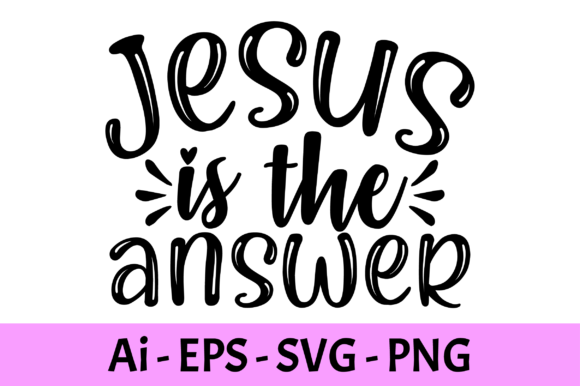
Jesus is the Answer SVG: What to Know Before You Download, Buy, or Use
If you have searched for faith-based design files, you have likely come across Jesus is the Answer SVG. These scalable vector graphics let you create custom shirts, wall art, mugs, tote bags, and digital content that shares a message of hope. At first glance, picking a file and getting started seems simple. Yet many people run into frustration, wasted time, or disappointing results simply because they overlooked a few key details before downloading or buying.
This article walks through practical corrections and smarter approaches so you can use Jesus is the Answer SVG files with confidence, avoid common mistakes, and get results that look as good as you imagined.
Understanding What Jesus is the Answer SVG Actually Is
An SVG is a vector file format that scales to any size without losing quality. Unlike a JPEG or PNG, you can enlarge a Jesus is the Answer SVG to fit a billboard or shrink it to fit a bookmark, and the edges stay crisp. The file contains layered paths, text, and shapes that your cutting machine or design software reads as instructions.
People are drawn to these files because they combine a powerful faith statement with practical utility. Whether you are a hobbyist making gifts for your small group, a small business owner creating products for a Christian market, or a blogger designing shareable graphics, the format gives you flexibility. But that flexibility only helps if you choose the right file and handle it correctly.
Mistake One: Grabbing the First Free File Without Checking Quality
Free SVG files are everywhere, and Jesus is the Answer SVG is no exception. The temptation is to download the first appealing design and start cutting. This often leads to problems. Some free files have poorly drawn paths that cause jagged edges when scaled. Others use low-quality outlines that your cutting machine cannot interpret cleanly, leaving you with a mess of tangled cuts and wasted material.
Beyond structural issues, free files sometimes come with restrictive licenses. You may not realize that the design cannot be used on items you sell, or that the creator wants attribution in a specific way. Using a file without checking can put you in a difficult spot if you built a product line around it.
What to Do Instead
Look for files from reputable sellers or creators who show clear previews of the design. Check reviews or ratings if available. Before downloading, read the license terms. Many premium Jesus is the Answer SVG designs are priced modestly and come with clean paths, tested cuts, and commercial use permissions. Paying a few dollars saves time, material, and headaches. If you do choose a free file, test it on a small scrap piece first.
Mistake Two: Overlooking File Compatibility With Your Machine or Software
Not every SVG file works with every machine or program. Some cutting machines require specific formatting, such as certain viewBox settings or grouped layers. A Jesus is the Answer SVG that looks perfect on screen might fail to load in your software or cut incorrectly if it was created for a different platform.
People often assume SVG is SVG, but the reality is more nuanced. Some files contain embedded raster images disguised as vectors. Others have complex clipping masks that do not translate well. If your software cannot parse the file correctly, you might spend an hour troubleshooting instead of creating.
The Better Approach
Check the product description or download page for compatibility notes. Many sellers indicate whether the file works with Cricut Design Space, Silhouette Studio, or other popular programs. If you are unsure, reach out to the creator before purchasing. Keep your software updated, and when possible, open the file in a free vector viewer like Inkscape to inspect the layers before importing into your design program. This small step helps you spot problems early.
Mistake Three: Ignoring the Difference Between Single-Layer and Multi-Layer Designs
A single-layer Jesus is the Answer SVG is one solid shape. It cuts as one piece, making it easy to weed and apply. A multi-layer design has separate pieces that need to be aligned and stacked. Both have their place, but choosing the wrong type for your project causes frustration.
If you buy a three-layer design expecting a one-color project, you will be surprised when you need to cut each layer separately and assemble them. Conversely, if you want a colorful layered look but pick a single-layer file, you will have to settle for a monochrome result or manually edit the file.
How to Avoid This
Read the listing carefully. Look at the photos or mockups. A listing that shows multiple colors in the preview often indicates a layered design. If the preview shows only one color, it is likely a single-layer file. Decide what kind of final product you want before you choose. For beginners, starting with single-layer Jesus is the Answer SVG files can build confidence before moving on to more complex multi-layer projects.
Mistake Four: Not Resizing or Testing Before Cutting
One of the great advantages of SVG files is that they scale. But scaling too far in either direction can create problems. If you enlarge a Jesus is the Answer SVG too much, thin strokes may become too wide or fine details may lose definition. If you shrink it too far, delicate elements may become too small for your machine to cut accurately.
Many people load the file, resize it to fit their blank, and hit cut without checking. The result is a design that looks distorted or has cuts that simply do not work. This wastes material and time, especially if you are working with expensive vinyl or heat transfer material.
Practical Advice
Always preview the design at your intended size before cutting. Use your software's simulation or cut preview feature. Check the minimum cut width specified by your machine and compare it to the thinnest lines in the file. For Jesus is the Answer SVG designs with text, make sure the letters remain readable after resizing. Test on scrap material first. That simple habit saves real money and frustration.
Mistake Five: Skipping the Basics of Weeding and Transfer
Even a perfectly cut Jesus is the Answer SVG can end up looking rough if you rush the weeding or transfer process. Weeding refers to removing the excess vinyl or material around the design. Transfer is placing the design onto your final surface. Mistakes here include tearing thin pieces, stretching the design, or misaligning layers.
For faith-based designs that you plan to give as gifts or sell, these details matter. A crooked or torn design undermines the message you want to share. It also reflects poorly on your work, especially if you are building a brand around Christian-themed products.
Better Techniques
Use a good weeding tool and work under bright light. Peel away excess material slowly, especially around delicate parts like the serifs on letters or the small details in a cross or crown. Use transfer tape appropriate for your material type. When applying, use a squeegee or scraper to press firmly, then peel the transfer tape at a sharp angle. If you are layering multiple colors, give each layer time to cure before adding the next. Small improvements in technique elevate the final look of your Jesus is the Answer SVG project significantly.
Mistake Six: Neglecting the License When You Want to Sell
Many people start making items with Jesus is the Answer SVG files as a hobby, then decide to sell them at craft fairs or online. If you did not check the license when you downloaded the file, you might discover that personal use is allowed but commercial use is not. This can lead to legal issues or having your shop listings removed.
Even within commercial licenses, terms vary. Some allow you to sell finished physical products but not digital files. Others limit the number of items you can produce. Still others require you to credit the designer in your product description. Ignoring these details is risky.
What to Check Before You Sell
Look for the license file included with your download or read the terms on the product page. If it is unclear, ask the creator. Keep a record of your licenses for each file you use in products you sell. If you are building a business around Christian designs, consider buying extended commercial licenses or working with designers who offer clear, straightforward terms. This protects you and supports the creators who make the files available.
Mistake Seven: Forgetting That Context Matters for the Message
Jesus is the Answer SVG files carry a meaningful statement. Where and how you place that statement affects how it is received. A design that works beautifully on a tote bag for a church retreat might feel out of place on a product targeted at a general audience. The font style, size, and accompanying graphics all shape the impression.
Some people choose a design without considering whether the style matches the audience or occasion. A playful, cartoon-style SVG might be wonderful for a children's ministry but less fitting for a more formal display. Paying attention to the visual tone helps you communicate the message in a way that resonates.
A Simple Check
Before finalizing your project, ask yourself who will see it and where. Does the design feel appropriate and respectful? Does the size and placement allow the words to be read easily? If you are unsure, show a mockup to a friend whose opinion you trust. Small adjustments in font or layout can make the difference between a design that feels right and one that misses the mark.
What to Look for in a High-Quality Jesus is the Answer SVG File
By now you have a good sense of the common pitfalls. Here is a quick summary of what to check before you download or buy:
- Clean vector paths: The design should be built from real vector shapes, not embedded images. Ask the seller if you are unsure.
- Clear previews: Look for photos that show the design from different angles, ideally on a finished product.
- Compatible format: Confirm the SVG works with your software version and machine model.
- Transparent license: Know upfront whether you can use the file for personal projects, gifts, or commercial sales.
- Appropriate complexity: Match the number of layers and detail level to your skill and equipment.
Taking a few minutes to evaluate these factors before you start saves time and produces better results.
Final Thoughts on Getting the Most From Your SVG Design
Using Jesus is the Answer SVG files can be a rewarding way to create items that encourage others and express your faith. The key is to approach each project with a little forethought. Check the file quality, confirm compatibility, choose the right design for your purpose, and handle the material with care. When you avoid the common mistakes outlined here, you free yourself to focus on the creative part you actually enjoy.
Whether you are making a single gift for a friend or building a product line for a small business, the right preparation makes the process smoother and the final product stronger. The message behind the design matters, and giving it the best possible presentation honors that message. Take the extra steps, test before you commit, and choose files from sources you trust. Your projects will look better, last longer, and communicate exactly what you intended.