Jesus Love You Forever Tshirt Design: A Visual Faith Statement
In the crowded landscape of apparel graphics, the Jesus Love You Forever Tshirt Design stands out as a powerful case study in merging typography, emotion, and modern aesthetics. For graphic designers, creating a piece that resonates on both a visual and emotional level requires a deep understanding of visual hierarchy, color theory, and composition. This specific design archetype isn't just about clothing—it is a masterclass in how typographic branding and minimalist layout can convey a timeless message with contemporary appeal. Whether you are designing for a faith-based brand, a merchandise line, or a personal creative project, the principles behind this style offer actionable insights for elevating your visual communication.
Why This Design Archetype Matters in Modern Graphic Design
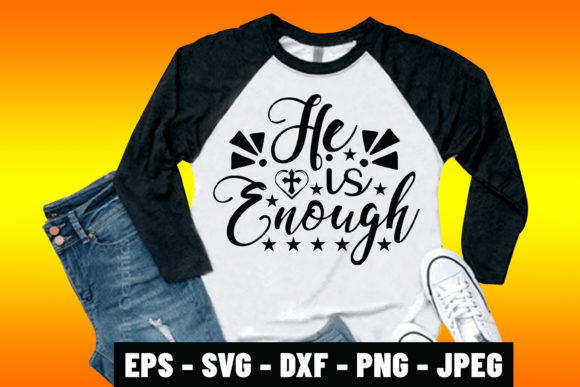
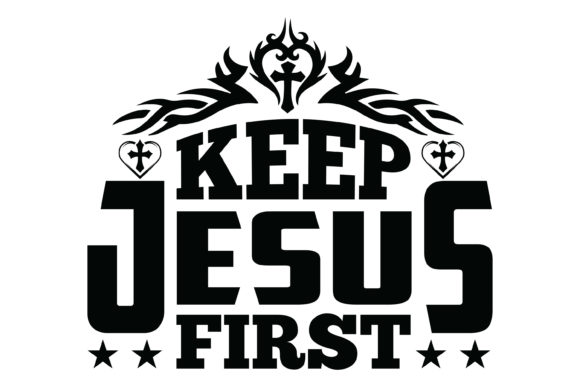
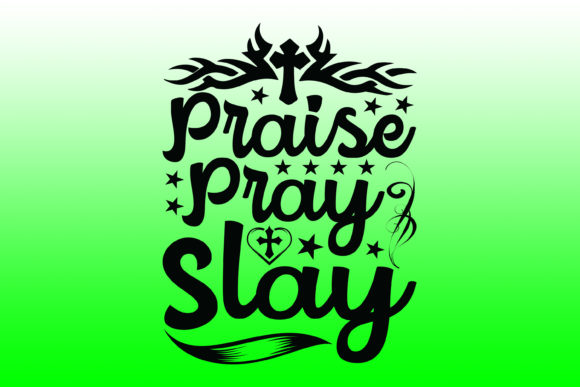
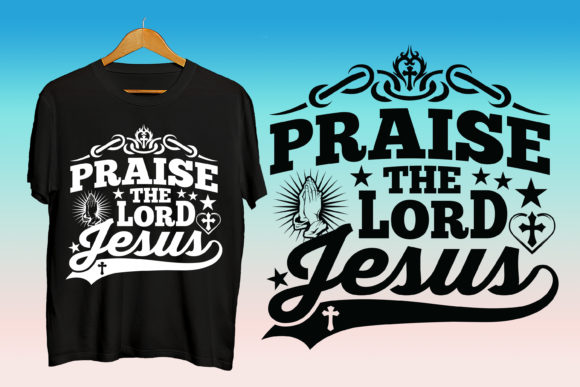
The demand for meaningful, high-quality creative assets in the fashion and merchandise space has never been higher. A successful Jesus Love You Forever Tshirt Design demonstrates how a simple color palette and carefully selected typeface can create a professional presentation that speaks directly to an audience. It balances the need for readability with the desire for artistic expression. For designers working on brand identity or packaging design, observing the balance between decorative elements and the core message provides valuable lessons in maintaining visual hierarchy without sacrificing emotional impact. This approach directly supports stronger UX design and clearer communication across all touchpoints.
Practical Applications Across Design Disciplines
How can the core principles of this design style be applied across your creative workflow? The answer lies in its versatility. The balanced composition and intentional typography make it an excellent reference point for various applications.
Branding and Logo Design
The focused nature of the design makes it a perfect analogy for logo creation. Just as the T-shirt uses a dominant type treatment to establish its message, effective logo design relies on a single, scalable idea. The typography choices, whether modern sans-serif or classic script, define the entire brand identity. Examining the Jesus Love You Forever Tshirt Design helps designers understand how to build a complete visual system around a core typographic mark, ensuring consistency across digital marketing, social media graphics, and print materials.
Social Media Graphics and Digital Marketing
In digital marketing, capturing attention quickly is paramount. A well-executed design translates seamlessly into social media graphics. The high contrast, clean layout, and emotionally resonant tagline are perfect templates for Instagram posts, YouTube thumbnails, or Facebook banners. Designers can adapt the same principles of simplicity and strong typography to boost engagement and brand recall. This same logic applies to web design and UI design, where clarity and emotional resonance directly impact user retention.
Merchandise and Print Design
For creative projects involving merchandise, this design serves as a benchmark. Whether you are working on a limited run for a concert, a brand launch, or a digital product, the rules are identical: prioritize bold composition, ensure scalability across different apparel sizes, and select a color palette that aligns with the brand's emotional tone. It is a prime example of effective print design where the medium and the message are perfectly aligned.
Typography, Color, and Composition Guidelines
Analyzing this design style reveals a structured approach to creative assets. Let's break down the key visual elements that contribute to its effectiveness:
- Typography and Readability: The choice of font dictates the mood. A clean, geometric sans-serif conveys modernity and clarity, while a hand-lettered or serif style brings warmth. The key is legibility. In editorial design or packaging design, text that cannot be read fails to communicate. Prioritize typefaces that maintain their integrity at both small and large scales.
- Color Psychology: The color palette is crucial. High-contrast combinations (like black on white or cream on forest green) ensure the message hits hard. Soft, pastel palettes can evoke comfort and serenity, aligning perfectly with the emotional weight of the message. Always test your color choices against the brand identity to ensure they reinforce the intended emotional response.
- Visual Hierarchy and Layout: The most successful designs treat the phrase as a single, unified visual block. By adjusting kerning, leading, and weight, designers create a rhythm that guides the eye. This principle of visual hierarchy is foundational in UX design and web design, ensuring users find information intuitively and stay engaged with the content.
Integrating Design into Your Creative Workflow
How can you apply these insights to your own projects? Start by evaluating your design goals. Are you aiming for authority, comfort, or inspiration? The archetype works best when it aligns with an authentic brand voice. Consider the audience carefully. Design inspiration should always be filtered through the lens of user expectations. A modern aesthetic that works for a youth-oriented graphic might feel out of place for a traditional, liturgical brand. Finally, test your scalability. In print design and merchandise, a design must look good on a mobile screen, a website hero image, and a physical product. Maintaining design consistency across these touchpoints is the hallmark of a strong and recognizable brand identity.
In the end, the most effective design is one that balances aesthetic appeal with clear communication. This design approach is more than just a garment graphic—it is a testament to the power of thoughtful, user-centered visual design. By mastering the interplay of typography, color, and composition, designers can create work that not only looks professional but also fosters a deep connection with its audience. Whether you are refining your portfolio or executing a client brief, remember that great design is always built on a foundation of intentionality and emotional resonance. It is this pursuit of meaningful visual experiences that continues to drive innovation in graphic design, digital content creation, and modern visual storytelling.