Jesus Washed Away My Sin: How a T-Shirt Design Becomes a Faithful Creative Workflow
When you see a t-shirt that reads “Jesus Washed Away My Sin,” you are looking at more than a piece of apparel. You are seeing the intersection of theology, design, personal expression, and practical execution. For the person wearing it, that shirt may represent a testimony. For the designer who created it, the shirt represents a process of planning, typography, color theory, and production coordination. For the entrepreneur or small business owner selling it, the shirt is a product that must align with branding, inventory workflows, and customer expectations.
Understanding the Jesus Washed Away My Sin t-shirt design as a creative and operational artifact helps you appreciate how a concept moves from inspiration to a finished product that people actually wear. Whether you are a designer, a ministry leader, a print shop operator, or someone who simply wants to order a meaningful shirt, the same principles apply: clarity of message, thoughtful design, and reliable production processes.
What the Design Represents in a Broader Creative Process
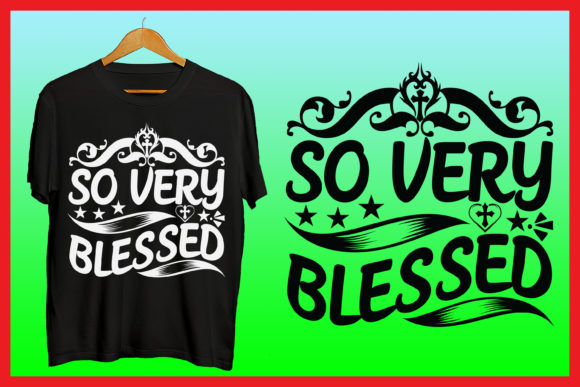
The phrase “Jesus Washed Away My Sin” is a statement of personal faith that resonates deeply within Christian communities. But translating that sentiment into a t-shirt design requires a series of intentional decisions. The designer must consider typography, layout, color palette, and imagery—if any—to support the message without overwhelming it.
In a practical sense, this design sits at the heart of a faith-based branding workflow. For example, a church planning a baptism event might order shirts with this design for volunteers or participants. A nonprofit ministry might use it as a fundraiser. A Christian influencer might sell it as part of a merchandise line. In each case, the design must be versatile enough to work across different garment colors and fabric types, yet consistent enough to maintain brand recognition.
From a workflow perspective, the design phase typically includes idea generation, sketching or digital drafting, color selection, and mockup creation. Then comes the production phase: selecting the printing method (screen printing, direct-to-garment, or heat transfer), preparing the art files, and coordinating with a printer or running in-house equipment. Each step interacts with the next, and any misalignment—like a font that does not scale well or a color that clashes with the garment—can derail the final outcome.
Before the Project: Preparation and Planning
Before you even open design software or contact a printer, a clear brief is essential. Ask yourself: Who is the audience? Is this for a one-time event or an ongoing product line? Will the shirt be worn in casual settings or as part of a uniform? What is the budget per unit?
For the Jesus Washed Away My Sin t-shirt design, the answers to these questions shape everything. If the shirt is for a youth group retreat, you might opt for bold sans-serif typography and bright colors. If it is for a more traditional congregation, a refined serif font and muted tones may be more appropriate. This pre-work ensures that the design aligns with the context in which it will be used.
Another critical preparation step is securing any necessary permissions or licenses. If you are using the phrase in a commercial capacity, ensure that it is not trademarked by a specific entity. While the phrase itself is common in Christian vernacular, some visual treatments or taglines might be protected. A quick legal check prevents headaches later.
During the Design Phase: Integrating Tools and People
The design phase is where the concept becomes visual. This is a collaborative process for many professionals. Designers often work with feedback from pastors, marketing coordinators, or clients. The Jesus Washed Away My Sin t-shirt design might go through several rounds of revision based on input about readability, tone, and appropriateness.
Practically, this means setting up a structured review process. Use shared mockup tools like Canva, Adobe Express, or Printful’s mockup generator to show how the design will look on actual shirt colors. Collect feedback in a centralized document rather than scattered emails. This keeps the project moving and reduces miscommunication.
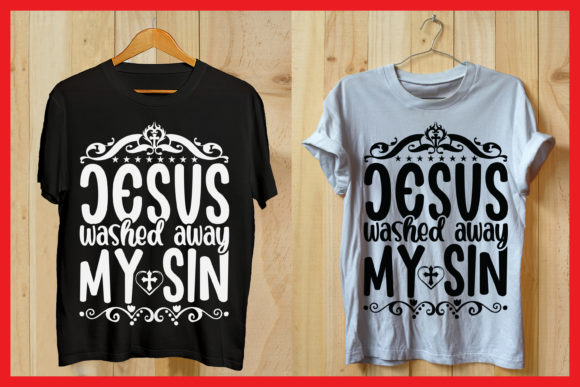
Typographically, the design’s success hinges on legibility. A t-shirt is not a poster viewed from a distance; it is seen up close and in motion. For a phrase with multiple words like “Jesus Washed Away My Sin,” consider breaking it into lines for visual impact. For instance:
- Jesus (largest, most prominent)
- Washed Away (middle size, flowing script or clean sans)
- My Sin (smaller but still bold)
This hierarchy guides the eye and reinforces the message. Test the design at actual print size, not just on a screen at 200% zoom.
Production Workflow: From File to Fabric
Once the design is finalized, the production workflow begins. This is where the design interacts with printing technology, garment sourcing, and quality control. For screen printing, the design must be separated into individual color layers. A two-color design—say, white text on a dark shirt—is simpler and more cost-effective than a four-color process.
If you are using direct-to-garment (DTG) printing, the file needs to be high-resolution and properly formatted, typically as a PNG with a transparent background. The printer will handle color matching, but you should request a proof before the full run. This proof, often printed on a single garment, is your last chance to catch errors in alignment, color, or spelling.
Quality control should be baked into the process. Check for:
- Centering and placement (front, back, or sleeve)
- Color accuracy relative to the mockup
- Print durability (wash test a sample)
- Fabric feel (is the print too stiff or thick?)
A practical tip: order samples from your printer before committing to a bulk order. This is especially important for faith-based designs because the emotional weight of the message means you want the shirt to look and feel good. A poor-quality print reflects poorly on the message itself.
Post-Production: Distribution, Wear, and Long-Term Use
After the shirts are printed and shipped, the design’s journey continues. For a business or ministry, this means inventory management, order fulfillment, and perhaps online sales. If you are selling the Jesus Washed Away My Sin t-shirt design as a product, consider how it fits into your overall catalog. Is it a seasonal item tied to Easter or baptism services? Or is it a core, year-round offering?
From a wearer’s perspective, the shirt becomes part of their daily or weekly routine. They might wear it to church, to small group meetings, or while running errands. The design’s durability matters: will the print hold up after 20 washes? Will the fabric maintain its shape? These factors affect whether the wearer becomes a repeat customer or a brand advocate.
For long-term use, consider offering the design on different garment styles—crew necks, hoodies, tank tops—and in a range of sizes. You can also create variations, such as a minimalist version with only the cross and text, or a more elaborate version with Bible verse references. This extends the lifecycle of the design without starting from scratch.
Practical Observations for Entrepreneurs and Creators
If you are an entrepreneur or small business owner looking to create or sell faith-based apparel, the Jesus Washed Away My Sin t-shirt design offers a case study in how to balance message and market. Here are a few practical observations drawn from real workflows:
- Start with a narrow product line. Instead of launching 20 designs, test two or three with clear messaging. See which resonates before scaling up.
- Invest in good photography. A t-shirt design sells best when customers can see it on a real person in natural light. Flat lays are fine, but lifestyle shots convert better.
- Build relationships with reliable printers. A good printer becomes a partner who can advise on fabric choices, print methods, and turnaround times. Don’t just price-shop; prioritize quality and communication.
- Use mockups for marketing. Before you have physical inventory, use digital mockups to gauge interest. This reduces risk and helps you pre-sell.
- Consider the unboxing experience. If shipping directly to customers, a simple thank-you note or a card with the Bible verse referenced in the design can turn a purchase into a meaningful moment.
The Role of Community and Feedback
One often overlooked aspect of integrating a design like this into your workflow is the feedback loop with your audience. If you are a creator, ask your community what they appreciate about the design. Do they love the specific font? Does the placement on the shirt matter to them? Would they buy a version with a different color base?
Collecting this feedback is not just about validation; it informs your next design cycle. For instance, if multiple people mention they would prefer the design on a heather gray shirt instead of black, you can adjust your next production run accordingly. This iterative process improves both your product and your relationship with your customers.
For ministry leaders, the feedback might come from volunteers who wear the shirt. Does it encourage conversations? Do people ask about its meaning? If so, the design is serving its purpose as both apparel and outreach tool.
Consistency Across Platforms and Use Cases
The Jesus Washed Away My Sin t-shirt design should be part of a broader brand ecosystem. If you are a ministry or Christian influencer, ensure that the design’s typography and colors align with your website, social media, and other printed materials. Consistency builds recognition and trust.
For example, if your ministry uses a specific shade of blue in your logo and on your Instagram graphics, consider incorporating that same blue into the t-shirt design—even if only as an accent. This visual coherence makes your brand feel intentional and professional, which matters to the 20-to-50-year-old audience that values both authenticity and quality.
In terms of usability, think about the contexts where the shirt will be worn. A design that works for a casual church picnic might not be appropriate for a formal conference. If you plan to use the design for multiple events, consider creating variations that adapt the core message to different settings. This saves time and maintains brand continuity.
Looking Ahead: Iteration and Growth
No design is ever truly finished. The best designers and entrepreneurs treat their work as a living project. After your first run of the Jesus Washed Away My Sin t-shirt design, evaluate what worked and what did not. Did the design sell out? Did customers request different sizes? Did the print quality meet expectations?
Use that data to refine your next iteration. Maybe you add a back print with a Bible reference. Maybe you switch from screen printing to DTG for more color accuracy. Maybe you introduce a premium version with a heavier fabric weight. Each change should be intentional and data-informed, not random.
In the end, a t-shirt design is a vehicle for a message. When the message is as powerful as “Jesus Washed Away My Sin,” the design and production processes should honor that weight. By treating the entire workflow—from brainstorming to shipping—with the same care as the message itself, you create a product that people are proud to wear and eager to share.
Whether you are a seasoned print shop operator, a first-time designer, or a church volunteer coordinating a fundraiser, the same practical principles apply: plan thoroughly, execute carefully, and always keep the end user in mind. That is how a simple t-shirt design becomes a lasting statement of faith.