No Bunny Loves Me Like Jesus Easter SVG: The Rise of Faith-Driven Design in a Digital Marketplace
In the crowded ecosystem of seasonal digital assets, few phrases capture both whimsy and conviction quite like No Bunny Loves Me Like Jesus Easter SVG. This design—equal parts playful pun and sincere declaration—has quietly become a staple among creators, small business owners, and faith-oriented entrepreneurs. But its popularity is not accidental. It reflects a deeper shift in how audiences seek meaning, authenticity, and identity within the products they purchase and the brands they support.
This article explores why a single Easter-themed SVG resonates so strongly across professional and creative circles, and what its success reveals about the evolving expectations of modern consumers.
Understanding the Asset: What Is No Bunny Loves Me Like Jesus Easter SVG?
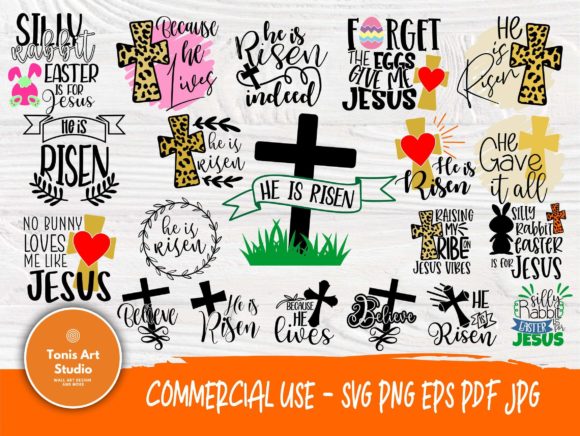
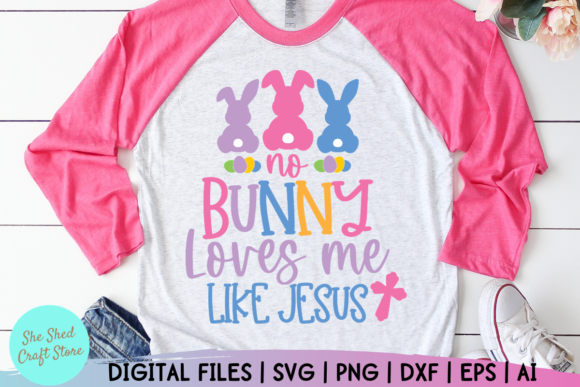
At its core, No Bunny Loves Me Like Jesus Easter SVG is a scalable vector graphic file designed for use in crafting, apparel decoration, signage, and digital content. The phrase combines a seasonal Easter motif with a theological affirmation, wrapped in a lighthearted wordplay that appeals to both children and adults. The SVG format allows for unlimited resizing without loss of quality, making it ideal for professional applications ranging from T-shirt prints to storefront displays.
While the concept may appear simple, the asset sits at the intersection of several high-demand content categories: holiday-specific design, faith-based messaging, and pun-driven humor. This combination gives it a cross-functional utility that few standalone graphics achieve. Whether used for church Easter programs, family reunions, or small-batch retail items, the design serves a clear emotional and communicative purpose.
Market Context: Why Faith-Inspired Digital Assets Are Gaining Traction
To understand the relevance of No Bunny Loves Me Like Jesus Easter SVG, one must first recognize the broader trajectory of faith-based content in the digital economy. Religious and spiritual products have long held a steady niche, but recent years have seen a measurable uptick in demand. According to industry research, searches for faith-inspired design elements—particularly those formatted for cutting machines and print-on-demand platforms—have grown steadily since 2020.
Several factors contribute to this trend:
- Home-based entrepreneurship: The pandemic-era surge in side hustles and e-commerce stores normalized the use of SVG files for creating physical goods. Many entrepreneurs turned to faith-based designs as a differentiator in saturated markets.
- Identity-driven consumption: Modern consumers increasingly prefer products that reflect their values and beliefs. A shirt or sign that reads No Bunny Loves Me Like Jesus Easter SVG functions as a low-friction identity marker—it communicates belonging without requiring lengthy explanation.
- Rise of print-on-demand: Platforms like Etsy, Redbubble, and Printful have made it possible for a single SVG design to generate revenue across dozens of product types. A strong design can yield mugs, tote bags, stickers, hoodies, and home decor items without any inventory risk.
- Holiday-specific demand cycles: Easter remains one of the most commercially significant holidays in the Christian calendar, yet its digital asset market is less saturated than Christmas. Creators who invest in high-quality Easter SVGs often see strong seasonal returns.
Within this landscape, No Bunny Loves Me Like Jesus Easter SVG occupies a sweet spot. It is specific enough to feel intentional, but broad enough to appeal across denominational lines. It does not alienate or polarize; it invites recognition and shared humor.
Why Professionals and Creators Are Paying Attention
The sustained interest in No Bunny Loves Me Like Jesus Easter SVG is not solely a consumer phenomenon. Among designers, marketers, and small business owners, the design offers lessons in product-market fit, brand voice, and audience psychology.
1. It demonstrates the power of niche specificity
Generalist designs often struggle to build emotional resonance. By contrast, a phrase like No Bunny Loves Me Like Jesus Easter SVG immediately signals its purpose and target audience. For a creator with a limited marketing budget, this specificity reduces friction. The customer does not need to wonder if the product is for them—they know instantly.
2. It validates the pun-driven aesthetic in faith markets
For years, faith-based design oscillated between solemn reverence and generic inspiration. The rise of family-friendly puns—especially those tied to holidays—has opened a new creative lane. This design proves that humor and devotion are not mutually exclusive. In fact, they can expand the audience. Parents, youth leaders, and teachers often prefer designs that are approachable and memorable.
3. It fits seamlessly into high-volume production workflows
For professionals running craft businesses or print shops, SVG files are the preferred format. They integrate with cutting machines like Cricut and Silhouette, support layered color separation, and scale for production runs. The popularity of No Bunny Loves Me Like Jesus Easter SVG among this cohort reflects a practical reality: the best-selling designs are those that require minimal technical adjustment and yield consistent results across substrates.
Changing Expectations: What Audiences Now Demand from Digital Assets
The success of No Bunny Loves Me Like Jesus Easter SVG is also a signal of shifting consumer expectations. Today's buyers—whether purchasing for personal use or for resale—are more discerning than they were even five years ago. They evaluate digital products on several dimensions:
- Clarity of intent: A design must communicate its message in under three seconds. If it requires explanation, it fails in a scrolling environment. This SVG passes that test decisively.
- Emotional warmth: Functional design is no longer sufficient. Audiences seek an affective response—joy, nostalgia, affirmation. The combination of Easter imagery and a pun rooted in divine love delivers precisely that.
- Versatility without dilution: While the design is specific, it is not so niche that it lacks applications. It works as a standalone graphic, a component in a larger composition, or a repeating pattern. Creators value assets that can be repurposed across multiple product lines.
- Cultural alignment: In an age of heightened sensitivity around representation and messaging, this design is broadly affirming without being exclusionary. It centers faith without disparaging other perspectives, making it suitable for community events, school functions, and interfaith family gatherings.
These evolving expectations are not passing trends. They represent a permanent baseline for how digital content is evaluated in faith-adjacent and family-oriented markets.
Practical Examples: How Creators and Businesses Are Using This Design
Observing how professionals actually deploy No Bunny Loves Me Like Jesus Easter SVG reveals its practical breadth:
- Church media teams incorporate the design into social graphics, bulletin covers, and children's ministry handouts. Its tone matches the informal, relationship-focused language many congregations now use.
- Etsy sellers and craft fair vendors produce physical items—mostly shirts, onesies, and tumblers—using the SVG as a lead product for the Easter season. Several successful shops report this design generating repeat sales year after year.
- Faith-based lifestyle bloggers use the graphic in Easter giveaway campaigns, opt-in freebies, and printable activity sets. The design's visual appeal increases click-through rates for email list growth initiatives.
- Daycare centers and Christian preschools license the SVG for classroom decor and parent gifts during Easter celebrations. Staff appreciate that the design is age-appropriate and meaningful without being preachy.
- Print-on-demand store owners test the design across different mockups to identify the best-performing products. Many observe higher conversion rates on items that prominently feature the phrase rather than relying solely on visual Easter symbols.
Each of these use cases underscores a central observation: the design works because it does not try to be everything to everyone. It serves a defined audience with clarity and warmth.
Larger Developments: What This Design Tells Us About the Future of Digital Commerce
Zooming out, the trajectory of No Bunny Loves Me Like Jesus Easter SVG parallels several macro-level developments in digital commerce and content creation.
Micro-niches are the new mass markets
As the digital marketplace becomes more crowded, the most sustainable strategies are those that target specific identity groups with precision. A design that appeals to "young Christian parents who enjoy wordplay during the Easter season" is more likely to generate loyalty than a generic "Happy Easter" graphic. The age of one-size-fits-all design is receding.
Faith-based content is undergoing a creative renaissance
Religious audiences are no longer satisfied with clip-art-quality designs or recycled imagery. They expect the same aesthetic quality and wit that secular audiences enjoy. The popularity of No Bunny Loves Me Like Jesus Easter SVG signals that faith-informed creativity is maturing. Designers who treat this audience as sophisticated rather than monolithic will find significant opportunity.
File format fluency is now a competitive advantage
Understanding the technical requirements of SVG—including proper layer naming, path optimization, and color management—has become a baseline expectation for commercial designers. Those who deliver files that are "ready to cut" without additional manipulation earn trust and repeat business. The design in question is widely praised for its clean construction, which reflects a broader industry shift toward production-ready assets.
Observations for Professionals Entering This Space
For creators, marketers, and entrepreneurs considering similar faith-based digital offerings, the case of No Bunny Loves Me Like Jesus Easter SVG suggests several actionable principles:
- Lead with emotion and specificity. Your design should make someone feel seen. If it is merely decorative, it will compete on price. If it communicates identity, it competes on meaning.
- Respect the technical workflow. Professionals who cut, print, and produce your design will recommend it only if it works flawlessly. Invest time in export settings, file structure, and compatibility testing.
- Plan for seasonality but build for permanence. Easter-specific designs will peak in March and April, but a well-conceived SVG can remain in a product catalog for years with minimal updates. Focus on evergreen emotional resonance within the seasonal frame.
- Test your tone carefully. Humor in faith-based design requires calibration. The pun must land as affectionate, not flippant. The successful execution of No Bunny Loves Me Like Jesus Easter SVG lies in its tonal balance—it is playful yet sincere, clever without being cynical.
Conclusion: More Than a Pun
No Bunny Loves Me Like Jesus Easter SVG may appear to be a simple seasonal design. But its sustained popularity reveals much about the state of digital commerce, faith-based marketing, and the expectations of today's discerning consumers. It succeeds because it is specific, emotionally resonant, technically sound, and culturally relevant. For professionals and creators who study such signals, it offers a template for how to build digital assets that matter—not just for one season, but for the long arc of a brand.
As the Easter season approaches each year, this design returns to the forefront of search results, social feeds, and craft fairs. It is a reminder that the most powerful digital assets are those that connect a clear message with a willing audience—and sometimes, a good pun is the best delivery vehicle.