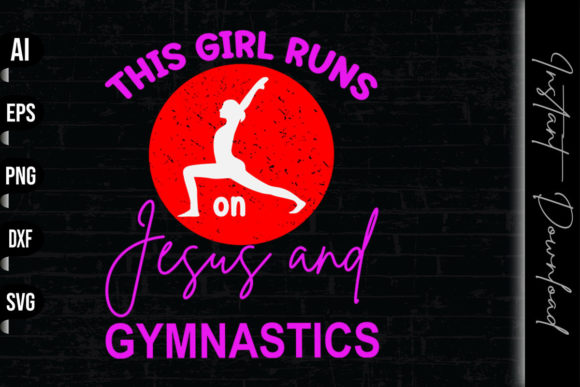
This Girl Runs on Jesus and Gymnastics: More Than a Motto, It’s a Mindset
You see it on a T-shirt or a water bottle or maybe a gym bag, and it stops you for a second. This Girl Runs on Jesus and Gymnastics is a phrase that packs a lot into a few words. For some, it is a personal declaration. For others, it is a conversation starter. And for many, it is a way to signal what fuels them—both spiritually and physically. If you are an adult navigating a busy life, looking for ways to stay grounded while chasing goals, this idea might resonate more than you expect.
At its core, the phrase blends two seemingly different worlds: deep faith and a demanding sport. Gymnastics is rigorous. It requires discipline, flexibility, strength, and a willingness to fail publicly before you succeed. Jesus, for those who hold that faith, represents grace, purpose, and a steady anchor when the routine gets hard. Together, they paint a picture of a person who does not compartmentalize their life. They bring their whole self—including their beliefs and their athletic identity—into everything they do.
Where Faith Meets the Mat: Real-World Scenarios
Imagine a gymnastics meet on a Saturday morning. The air smells like chalk and floor wax. Parents fill the bleachers with coffee in hand, and young athletes stretch on the sidelines. Among them is a girl—maybe a teenager, maybe a college athlete—wearing a leotard or a hoodie with that same phrase. It is not just decoration. It serves as a quiet reminder when she is about to attempt a beam routine she has fallen on three times that week. She breathes, she prays, she goes. The phrase is a permission slip to rely on something bigger than muscle memory.
But the use cases go far beyond competition floors. Consider the adult recreational gymnast or CrossFit athlete who incorporates gymnastics movements into training. They might not compete, but they still feel the tension between their own limitations and their desire to improve. Wearing or displaying this phrase is a way to say, “I am working hard, but I am also trusting the process.” It is equally at home on a gym journal, a laptop sticker at a coffee shop, or a profile bio on social media.
Then there are the parents and coaches who find value in the sentiment. A mom who volunteers at a church youth group might use the phrase to start a conversation with a teenager struggling to balance sports and faith. A coach might have this as a team motto, not to preach, but to remind athletes that their worth is not tied to their score. In these settings, the phrase becomes a bridge—between generations, between effort and grace, between the physical and the spiritual.
Different Audiences, Different Benefits
One of the strengths of This Girl Runs on Jesus and Gymnastics is that it serves multiple audiences without losing its core meaning. For the young competitive gymnast, it is identity. For her parent, it is reassurance that their child is being reminded of values beyond the sport. For a college athlete juggling practice, class, and faith groups, it is a shorthand for how they organize their priorities.
Even adults who have never done a cartwheel might connect. If you are a runner, a yogi, a cyclist, or someone who simply hits the gym before work, the idea of “running on” something—both spiritual and physical—translates. You might swap out “gymnastics” for your own discipline, but the principle remains. That is why phrases like this have staying power. They are specific enough to feel authentic, yet open enough that others can adapt the meaning to their own lives.
In church communities, small groups, or Christian athletic camps, this phrase can be a unifying theme. It acknowledges that sport is not separate from faith. It is part of the same journey. Leaders use it to encourage kids to see their bodies and talents as gifts, not performance tools. Parents use it to talk about perseverance without turning everything into a win-or-lose lesson.
Strengths and Limitations to Keep in Mind
On the positive side, this phrase is memorable, brandable, and emotionally sticky. It works well on apparel, accessories, and social media content because it generates recognition and belonging. People who identify with both faith and athletics feel seen. That is a powerful thing in a world where many feel they have to hide parts of themselves in different environments.
Another strength is its versatility in messaging. It can be bold or subtle. A neon leotard screams it; a minimalist design whispers it. Either way, the message lands. For small businesses or ministries looking to create products that resonate, this is the kind of phrase that builds community. It isn’t generic. It invites people to self-select into a tribe.
That said, there are practical considerations. Not every context welcomes explicit faith language. For public school gyms or secular competitions, a student athlete might feel hesitant to wear something overtly religious. That does not mean the phrase is off-limits, but it is worth thinking about timing and setting. A practice jersey might be fine; a state championship podium might feel more exposed.
Similarly, the phrase assumes a certain alignment with Christianity. That is fine for its intended audience, but if you are a coach or organizer working with a diverse group, be mindful of how you incorporate it. It works best when it is optional, personal, and never forced. The strength of the message lies in its authenticity, not in its ubiquity.
Practical Observations from Real Use
I have seen this phrase show up in some unexpected places. A dance studio that emphasizes tumbling used it as a year-end theme for their recital. A church’s youth sports camp printed it on drawstring bags for every participant. A mother-daughter book club that reads faith-based sports stories had it as a discussion prompt. None of these were gymnastics specific, but each group found a way to make it their own.
One of the most compelling uses I have observed is in personal goal setting. A college sophomore wrote the phrase on a sticky note and put it on her mirror. She told me it helped her stop comparing herself to teammates. When she felt pressure to be perfect in practice, she remembered that her identity was not tied to her routine score. That kind of mental shift is gold, especially in a sport where perfection is the standard but also impossible to sustain.
For adults, the phrase can function similarly. If you are balancing a demanding job, family obligations, and a fitness routine, it is easy to treat your body like a machine and your spirit like an afterthought. Seeing a reminder that you run on more than caffeine and willpower can recenter your day. You do not have to be a gymnast to need that reminder.
Common Considerations Before Adopting or Gifting
If you are thinking about buying a product with this phrase for yourself or someone else, a few things may help. Consider the material and fit. If it is apparel, people in gymnastics tend to prefer soft, moisture-wicking fabrics that move with the body. A stiff cotton tee might not make it through a full practice.
Think about the recipient’s stage of life. A middle school gymnast might love the bold declaration. A high school senior might prefer something more subtle, like a wristband or a gym bag. The phrase is strong, so the medium matters. You can go loud or quiet, depending on personality.
Also, pay attention to the community context. If the athlete trains in a strictly secular environment, a more discreet item might be appropriate. If they are part of a faith-based team or homeschool group, go bold. The same advice applies for adults using the phrase in their own spaces—think about whether you want it as a personal mantra or a public statement.
Finally, be aware that this phrase is often used in conjunction with quality, gym-tested products. Authenticity matters here. A rushed print on a cheap shirt may not carry the same weight as a well-made item from a brand that understands the sport. If you are purchasing, look for durability, fade-resistant printing, and cuts that fit athletes’ bodies. A leotard or tank that rides up or chafes will not serve anyone, no matter how great the message is.
Ways the Phrase Shows Up Beyond Apparel
While T-shirts and hoodies are the most common vehicles, the phrase has expanded into other products and uses. Journal covers, phone cases, water bottles, and even wall decals for home gyms are popular. In a digital age, hashtags and profile bios carry the same message. A gymnast might use it in an Instagram bio. A coach might use it in a team group chat.
Some camps and retreats use the phrase as a theme for talks, small groups, and memory verses. When you pair it with scripture or discussion questions, it deepens the impact. It moves from a slogan to a framework. That is where the real transformation happens—when the words on a shirt become a lens through which someone sees their whole day.
For adults leading teams or mentoring young athletes, consider how you can use the phrase not as a label but as a tool. Ask questions like, “What does it look like for you to run on your faith today?” or “How does your training connect to something bigger?” You do not need a curriculum. Just a willingness to go deeper than the surface.
At the end of the day, This Girl Runs on Jesus and Gymnastics works because it is honest. It does not pretend that faith makes the sport easy or that gymnastics is the only thing that matters. It simply states what fuels the journey. For anyone who has ever tried to hold together two things that feel essential—belief and movement, spirit and sweat, faith and falling—this phrase is a quiet nod of solidarity. And sometimes, that is exactly what you need to stick the landing.