Wanna Taco Bout Jesus Lettuce Pray: How a Punny Phrase Is Changing Faith Conversations
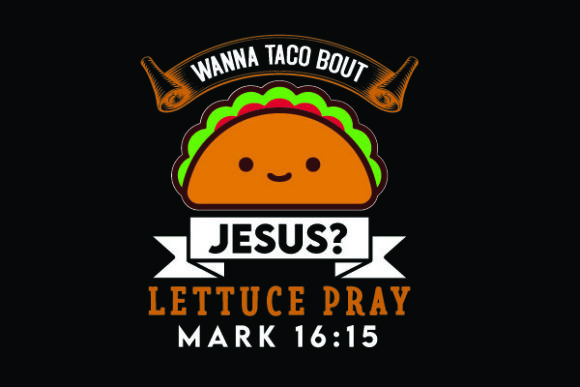
At first glance, the phrase “Wanna Taco Bout Jesus Lettuce Pray” looks like a playful jumble of food puns and faith. But beneath its whimsical surface lies a surprisingly effective communication tool that is helping people bridge the gap between casual conversation and meaningful spiritual dialogue. Whether you encountered it on a bumper sticker, a social media post, or a T-shirt, this phrase is more than just a clever word game—it’s a gateway to understanding how humor, relatability, and intentional language can open doors to deeper topics.
In this article, we’ll break down the phrase from the ground up. We’ll explore its meaning, why it resonates with so many people, how it fits into modern life and digital culture, and why it matters for anyone interested in talking about faith in a way that feels natural rather than forced.
What Does “Wanna Taco Bout Jesus Lettuce Pray” Actually Mean?
The phrase is a triple pun built around homophones—words that sound like other words. Let’s unpack it piece by piece:
- “Wanna Taco” sounds like “wanna talk about.” It replaces “talk” with “taco,” the popular Mexican dish. This instantly adds a lighthearted, food-related twist that makes the invitation feel less formal and more approachable.
- “Bout Jesus” stays straightforward: it signals that the conversation topic is Jesus—his teachings, life, or role in faith.
- “Lettuce Pray” is a pun on “let us pray,” turning the lettuce (a common salad ingredient) into a verb that invites prayer. It combines a request for spiritual connection with another food reference.
When read together, the phrase means: “Do you want to talk about Jesus? Let us pray.” But the way it’s packaged makes the invitation feel playful, disarming, and memorable. It doesn’t sound like a street-corner sermon or a heavy religious lecture. Instead, it feels like an invitation from a friend who doesn’t take themselves too seriously.
The Purpose and Significance of Using Humor in Faith Conversations
For decades, discussions about religion and faith have often been associated with solemnity, formality, or even intimidation. Many people hesitate to bring up spiritual topics because they worry about sounding preachy or creating awkwardness. The “Wanna Taco Bout Jesus Lettuce Pray” phrase deliberately breaks that mold.
Its purpose is twofold: first, to lower the barrier to entry for spiritual conversations, and second, to signal that faith can coexist with joy, creativity, and everyday life. By using humor and wordplay, the phrase accomplishes several important things:
It Disarms Defensiveness
When someone hears a pun or a playful twist, their guard tends to drop. Humor signals that the speaker is not aggressive or judgmental. Instead of feeling cornered, the listener becomes curious. The pun acts like a verbal smile—it invites engagement rather than debate.
It Makes Faith Memorable
People remember things that make them laugh or think. A clever phrase like “Wanna Taco Bout Jesus Lettuce Pray” sticks in the mind far longer than a generic invitation to church. It becomes a mental bookmark—something people recall and even repeat to others.
It Normalizes Spiritual Topics in Everyday Settings
Food is universal. Everyone eats. By linking faith with a common, casual topic like tacos and lettuce, the phrase moves spiritual conversation out of the sanctuary and into the kitchen, the lunch break, or the dinner table. It says, “Faith isn’t just for Sunday morning—it fits right into your Tuesday taco night.”
Social Media and Viral Outreach
In the age of short attention spans and endless scrolling, a catchy phrase can travel fast. “Wanna Taco Bout Jesus Lettuce Pray” is inherently shareable. It works well as a hashtag, a meme caption, or a profile bio. On platforms like Instagram, TikTok, and Twitter, users have turned it into a conversation starter, often pairing it with photos of tacos, Bible verses, or both. The phrase bridges the gap between pop culture and faith culture, making it relevant to younger audiences who might otherwise tune out traditional religious messaging.
Small Groups and Informal Gatherings
Church small groups, campus ministries, and neighborhood meetups have adopted the phrase as a theme for casual gatherings. Imagine a “Taco Tuesday” event where the agenda includes eating tacos, discussing a Bible passage, and praying together. The phrase becomes the event’s identity—fun, low-pressure, and spiritually meaningful at the same time. It signals that attendees don’t need to dress up or have all the answers; they just need to show up hungry for both food and conversation.
Business and Creative Applications
Faith-based entrepreneurs and creators have also embraced the phrase. It appears on merchandise like mugs, tote bags, and greeting cards. Food trucks with a faith mission have used it as a slogan. Even some restaurants have adopted it for special menu items or promotions. In these contexts, the phrase serves as a soft entry point for customers to connect with a brand’s values without feeling pressured.
Common Misunderstandings About the Phrase
As with any creative twist on a serious topic, some people misunderstand the intent behind “Wanna Taco Bout Jesus Lettuce Pray.” Let’s address a few common assumptions:
- “It’s just a joke—it trivializes faith.” Some worry that puns make light of something sacred. But humor and reverence are not opposites. Many faith traditions include joy, celebration, and even laughter. The phrase doesn’t diminish Jesus or prayer; it simply presents them in a format that feels accessible. The sincerity of the invitation remains intact.
- “It’s only for young people.” While the phrase certainly resonates with younger demographics, its appeal crosses generational lines. Anyone who enjoys wordplay or appreciates a fresh approach to familiar topics can connect with it. Grandparents have been known to share the joke with their grandchildren, creating an intergenerational bridge.
- “It’s a marketing gimmick.” For some, the phrase may indeed be used as a branding tool. But at its core, it represents a genuine desire to make faith conversations less intimidating. Even when used commercially, the underlying message is about connection—not just sales.
Practical Ways to Use “Wanna Taco Bout Jesus Lettuce Pray” in Daily Life
Whether you’re a faith leader, a teacher, a parent, or just someone who wants to talk about what matters to you, this phrase can be a practical tool. Here are a few examples of how it works in real situations:
Starting a Conversation With a Friend
Imagine you’re at lunch with a coworker who knows you’re religious, but you’ve never directly talked about faith. You see them eating a taco. You smile and say, “Hey, I’ve got a silly question—wanna taco bout Jesus?” It lands as a joke, but it opens a door. They might laugh, roll their eyes, or ask what you mean. Either way, the conversation is started.
Hosting a Themed Event
A youth group leader might plan a “Lettuce Pray” night where the group makes salads together before discussing gratitude and prayer. The pun provides a natural theme for the evening, making the activity cohesive and memorable. The food component also encourages hands-on participation, which helps younger attendees feel engaged.
Social Media Engagement
A simple post with a picture of tacos and the caption “Wanna Taco Bout Jesus? Lettuce Pray!” can generate comments and shares. Followers who would never respond to a Bible verse alone might feel comfortable engaging with something lighthearted. Over time, those small interactions can build trust and curiosity.
Everyday Reminders
Some people print the phrase on a sticky note and place it on their fridge or desk. It serves as a personal reminder to integrate faith into their daily routine—to pray before meals, to look for opportunities to talk about what they believe, and to approach those conversations with joy rather than pressure.
Building a Broader Understanding: What This Phrase Teaches Us About Communication
Beyond its immediate use, “Wanna Taco Bout Jesus Lettuce Pray” offers a valuable lesson in how we communicate about topics that matter deeply to us. It illustrates three principles that apply far beyond faith conversations:
- Creativity lowers barriers. When you package a meaningful message in a creative format, you invite people in rather than putting them on the defensive. This principle works in education, sales, activism, and personal relationships.
- Relatability builds bridges. By connecting a spiritual invitation to something as ordinary as a taco, the phrase shows that big topics don’t have to stay separate from everyday life. The best conversations happen when ideas feel human and accessible.
- Humor and sincerity can coexist. You don’t have to choose between being serious and being approachable. The most impactful messages often combine both. People trust speakers who can laugh with them while also speaking from the heart.
Final Thoughts: More Than a Pun
“Wanna Taco Bout Jesus Lettuce Pray” may start as a joke, but it ends as an invitation. It invites people to talk about faith without fear, to pray without pretense, and to share a meal while sharing what matters. In a world where conversations about religion often feel polarizing or awkward, this playful phrase reminds us that connection doesn’t have to be complicated—it can start with a smile, a shared meal, and a few well-chosen words.
Whether you use it as a conversation starter, a theme for your next gathering, or just a personal reminder to keep faith light and present, this phrase captures something important: talking about what you believe doesn’t have to be heavy. Sometimes, it’s as simple as asking, “Wanna taco bout it?”