He Is Risen Christian Easter Cut File: A Practical Guide for Creative Projects
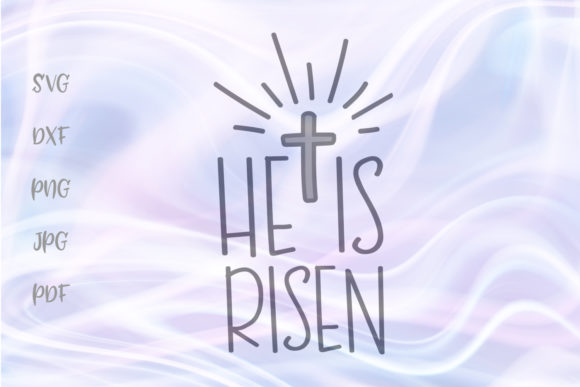
Easter is one of the most significant moments in the Christian calendar, and for creators, small business owners, and educators, it also represents a meaningful opportunity to communicate faith through tangible design. The He Is Risen Christian Easter Cut File is a versatile digital asset that allows you to produce physical items—from vinyl decals and cardstock cards to fabric appliqués and laser-engraved gifts—with a clean, professional finish. Whether you are a hobbyist working on personal projects or an entrepreneur managing seasonal inventory, understanding how to integrate this cut file into your workflow can save time, reduce waste, and produce results that resonate with your audience.
Understanding the Cut File and Its Place in Your Workflow
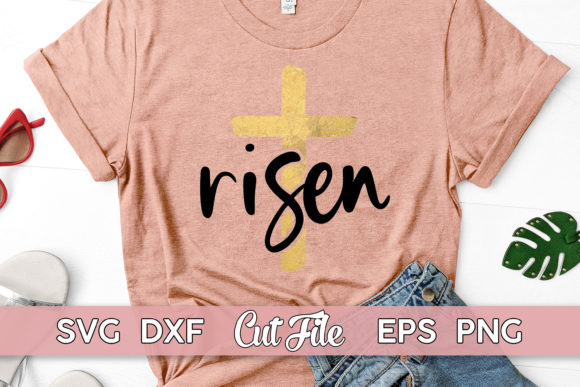
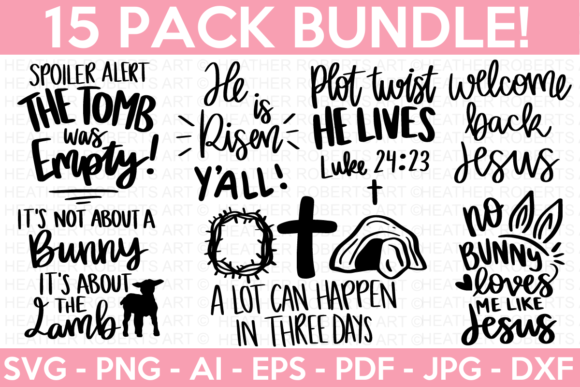
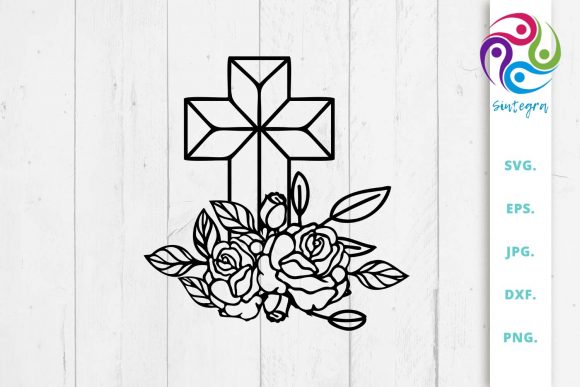
A cut file is essentially a vector-based design that instructs a cutting machine—such as a Cricut, Silhouette, or laser cutter—exactly where to cut, score, or draw. The He Is Risen Christian Easter Cut File typically includes layered elements like lettering, cross silhouettes, floral accents, and empty tomb imagery. Because the file is delivered in common formats like SVG, DXF, PNG, and EPS, it fits seamlessly into most design-to-production pipelines.
In a practical sense, this file acts as the bridge between a digital concept and a physical product. You do not need to draw or letter the design yourself; instead, you import the file into your design software, adjust sizing, choose materials, and send it to your machine. This makes it especially useful during busy seasons like Holy Week, when you may need to produce multiple items—church banners, greeting cards, gifts for volunteers, or small-batch products for an online shop—without sacrificing quality or consistency.
Thinking about where this file fits into a broader process helps you avoid last-minute scrambling. If you plan to use it for a Sunday school lesson, a church event, or an Easter market, you can prepare the file days or weeks in advance, test cuts on scrap material, and refine your settings before production begins.
Preparing Your Tools and Materials for Consistent Results
Before you open the He Is Risen Christian Easter Cut File, take a moment to review your equipment and supplies. Compatibility is straightforward with most modern cutting machines, but small differences in software versions or material thickness can affect the outcome. If you are using a Cricut, for example, ensure your Design Space is updated so that SVG layers import correctly. Silhouette users should verify that their Studio edition supports the file type you have chosen.
Material choice directly influences the final look and durability of your project. For indoor decorations or cards, cardstock, adhesive vinyl, or printable fabric work well. For outdoor signs or yard displays, consider weather-resistant vinyl or acrylic. Laser cutter users should select wood or acrylic that contrasts well with the engraved or cut design. Testing a small sample first is a simple habit that prevents wasting material on a full run with mismatched settings.
Organizing your workspace also matters. Keep a dedicated folder on your computer for cut files sorted by holiday or project type. Name your files clearly—something like He Is Risen_Cross_Flowers_SVG—so you can find them quickly when you need to re-cut a replacement piece. If you work on multiple devices, use cloud storage to sync your cut file library so you can access it from your design station or a tablet.
Integrating the Cut File Into Broader Creative and Business Workflows
The He Is Risen Christian Easter Cut File does not exist in isolation. It often interacts with other resources such as printable coloring sheets, digital planners, social media graphics, and email templates used to promote Easter sales or events. For example, if you are a small business owner selling Easter cards, you can use the same design across your product listing photos, your Instagram posts, and the physical product itself. This creates a cohesive brand experience that builds trust with your customers.
Educators and children’s ministry leaders can pair the cut file with lesson plans. After a class discussion about the resurrection, children can use pre-cut pieces to assemble a take-home craft. This hands-on activity reinforces the message and gives families a tangible reminder of the lesson. The cut file becomes a teaching tool, not just a decoration.
For bloggers and content creators, the cut file can be used to create physical props for video backgrounds, photo shoots, or live streams. A well-made banner or sign that says “He Is Risen” adds visual depth to your content and communicates your message without relying solely on text on a screen. When you plan your content calendar for Easter week, schedule time to produce these physical assets so they are ready before you start recording or photographing.
Personal Crafting and Gifting
If you are making items for family or friends, focus on customization. The layered nature of most He Is Risen cut files allows you to change colors, resize elements, or combine parts from multiple designs. For instance, you could cut the lettering in gold vinyl and the cross in a soft wood grain texture, then adhere them to a canvas tote bag. Because you control the materials, you can match the recipient’s personal style while keeping the central message clear.
Small Business Production
When producing items for sale, consistency and speed matter. Create a production template in your design software that includes your default material size, cut settings, and placement guides. Save a copy of the cut file with your brand colors already applied. This way, when an order comes in, you only need to load material and press “make.” If you sell on multiple platforms—Etsy, your own website, local markets—keep your product images and descriptions aligned with the same visual language so customers recognize your work.
Church and Ministry Use
For church volunteers who may not be experienced with cutting machines, prepare a simple instruction sheet. Include screenshots of the software interface, material recommendations, and a checklist of steps. If possible, pre-load the cut file onto a shared device and label the materials clearly. This reduces errors and makes it easier for new volunteers to contribute. You can also create a few sample finished pieces so everyone knows what the final product should look like.
Organizing Your Cut File Library for Long-Term Efficiency
Over time, you will likely collect multiple Easter cut files—different styles, sizes, and themes. Organizing them well saves hours of searching later. Use a consistent naming convention that includes the holiday, the design theme, and the file format. For example:
- Easter_HeIsRisen_Cross_SVG
- Easter_HeIsRisen_Tomb_DXF
- Easter_HeIsRisen_Flowers_PNG
Store them in a folder structure by year or by project type, depending on your volume. If you share files with a team, use a cloud-based folder with view-only access for reference and edit access for trusted users who need to modify dimensions or colors. Regularly archive older files that you no longer use, but keep a master index so you can retrieve them if a repeat customer requests a past design.
Backing up your cut file library is a simple step that prevents heartbreak. Store copies on an external drive and in cloud storage. If your computer crashes or your account is compromised, you can restore your library without re-downloading or recreating files.
Quality Control and Consistency Across Projects
Even a well-designed cut file can produce poor results if your machine is not calibrated or your material is warped. Before cutting a large batch, run a small test cut in a corner of your material. Check that the blade depth and pressure are appropriate for the material type. For cardstock, a lighter cut prevents tearing. For vinyl, a medium cut ensures the backing remains intact. For wood, adjust power and speed according to your laser cutter’s specifications.
Keep a log of your successful settings. Note the material, blade type, pressure, speed, and any offset adjustments. Over time, you will build a reference that lets you switch between materials with confidence. If you work with a team, share this log so everyone uses the same baseline settings and reduces trial and error.
Inspect each finished piece before packaging or displaying. Look for incomplete cuts, lifted edges, or misaligned layers. If you are producing items for sale, set a quality threshold and discard any pieces that do not meet it. Your reputation depends on the consistency of your output, and a single flawed item can affect a customer’s perception of your work.
Collaboration and Sharing Within Teams or Communities
The He Is Risen Christian Easter Cut File can also serve as a collaborative resource. If you are part of a church creative team or a crafting group, share the file with others who have cutting machines. Agree on a color palette and material type so that banners, table decorations, and take-home gifts feel unified. One person might cut the lettering, another the crosses, and a third the floral accents. Assembly can happen in a single session, reducing the workload on any one volunteer.
For online communities, consider offering the cut file as a free or low-cost download on your blog or shop. Include a simple usage guide that explains what the file contains, which machines it works with, and a few project ideas. This positions you as a resource and builds goodwill with your audience. When people see how easy you have made the process, they are more likely to return for future designs or recommend your shop to others.
By thinking of the cut file not just as a single-use asset but as a reusable component in an ongoing creative practice, you maximize its value. You can adapt it year after year by changing colors, materials, or scale. You can pair it with other designs to create larger compositions. And you can refine your workflow each time you use it, making the next project faster and more polished.
Ultimately, the He Is Risen Christian Easter Cut File is a tool that supports your message and your process. When you plan ahead, organize your files, test your materials, and collaborate effectively, you free up mental energy to focus on the meaning behind the project—the celebration of Easter and the hope it represents.